
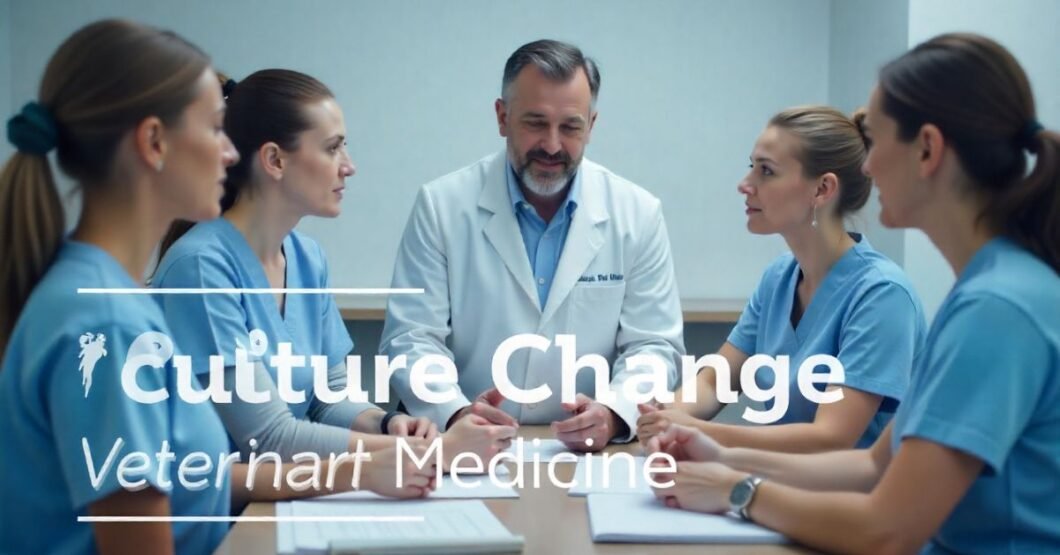
Culture work in veterinary medicine is one of the most sensitive topics in the entire industry. Leaders know the culture needs to shift. They know burnout is high. They know communication could be better. Yet when change is introduced too fast or without strategic buy-in, the team pushes back. This is why veterinary consultants are so valuable. They help guide culture change in a way that feels natural to the team instead of forced.
True Culture Change Starts With Listening
The fastest way to create resistance is to walk in and start making changes without understanding what people are experiencing. Good veterinary consultants spend time listening to staff at every level. Doctors, CSR teams, technicians, assistants, kennel staff, managers. Everyone has a voice in the system. When people feel heard, they become more open to adjusting how they work.
Consultants Teach the Team Why Change Matters
Most resistance happens because people do not understand the purpose behind the change. They think it is arbitrary or they fear it will create more workload. Consultants explain the why and connect the change to something staff also wants such as less chaos, smoother days, fewer miscommunications, or more predictable scheduling. People adopt faster when the outcome benefits them.
They Introduce Change in Stages
Culture work is never about flipping a switch. Consultants break the process into small steps. They prioritize changes that produce quick wins the team can feel and see. These small wins build confidence and momentum. When staff sees that the change makes their day easier, the resistance usually fades.
They Involve Staff in Shaping the Process
People support what they help create. Consultants often invite staff to give input, test new approaches, and refine systems together. When the team is allowed to collaborate, they feel ownership. Ownership is the opposite of resistance.
They Use Data to Support Decisions
Culture conversations are emotional, but data helps bring clarity. Consultants use numbers to identify workload patterns, wait time issues, missed charges, or breakdowns in scheduling. When staff sees objective evidence that change is needed, the conversation becomes neutral instead of personal.
Results That Last
The best culture changes stick because they are built within the team, not forced on the team. A veterinary consultant knows how to guide that process with skill, trust, and respect. This is why working with Veterinary Solutions Services can be one of the most effective ways to improve team environment without causing the pushback most managers fear. Culture change done correctly builds unity and alignment, not resistance.
Culture is not a poster on a wall or a set of quotes in a meeting. It is the lived experience inside the clinic. When you shift it with intention and support, everything from morale to performance improves.