
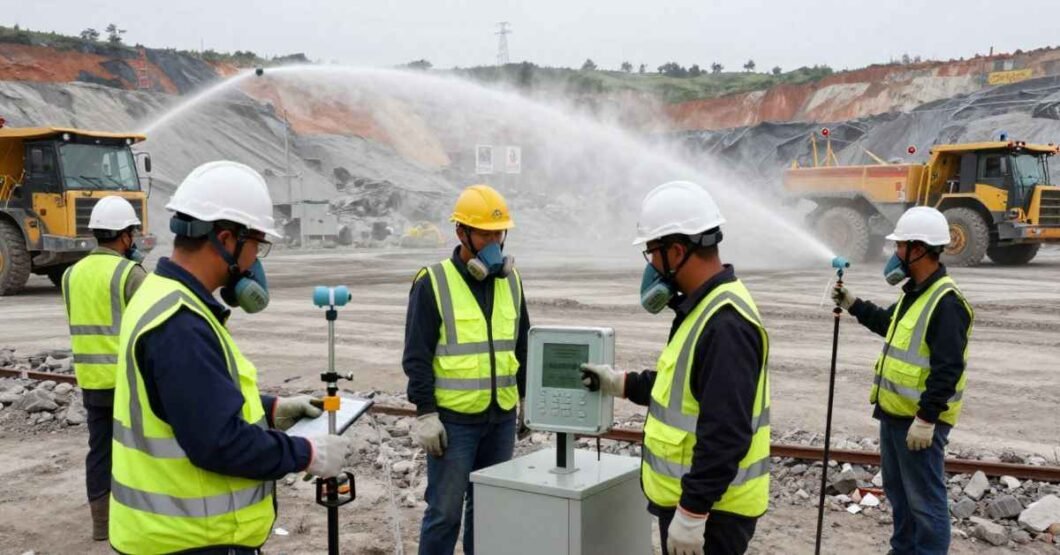
Mining remains one of the most demanding and potentially hazardous industries in the world. Heavy equipment, unstable ground conditions, airborne contaminants, high noise levels, and physically demanding work create daily risk for employees. While regulations provide important safety standards, true injury reduction comes from proactive safety management. This is where mine safety services play a critical role.
Mine safety services focus on identifying hazards before they cause harm, building daily safety systems that keep workers protected, and continuously improving protective measures as operations evolve. When implemented correctly, these services significantly reduce injuries, protect long-term worker health, and strengthen overall safety culture.
Identifying Hazards Before Accidents Occur
Most workplace injuries in mining are not sudden, unpreventable events. They result from hazards that existed long before an incident occurred. Unstable surfaces, poor ventilation, excessive equipment noise, unaddressed dust buildup, or outdated safety procedures often create conditions where injuries become more likely.
Mine safety professionals conduct systematic site assessments to locate both obvious and hidden hazards. These evaluations include:
- Walking through active work zones to identify physical dangers
- Reviewing equipment maintenance records
- Inspecting ventilation and dust suppression systems
- Assessing housekeeping practices
- Evaluating ergonomics and worker lifting routines
- Interviewing employees about daily safety challenges
By identifying these issues early, safety hazards can be corrected before they cause serious injury or illness.
Monitoring and Reducing Exposure Risks
Many injuries and illnesses stem from invisible exposures that accumulate over time. Airborne silica dust damages lung tissue gradually. Diesel exhaust exposure raises respiratory risk. Excess noise permanently harms hearing. Extreme heat contributes to fatigue, dehydration, and heat illness.
Mining Safety Services delivers exposure monitoring programs that involve personal air sampling, noise surveys, and heat stress evaluations. Collected data allows safety teams to pinpoint which tasks, job roles, or areas create the highest risk.
When elevated exposures are detected, control strategies are applied including:
- Improved ventilation or water spray systems
- Adjustments to job rotation schedules
- Equipment modifications to reduce noise output
- Engineering upgrades that limit dust dispersion
- Implementation of climate control or cooling measures
Reducing invisible health threats pays off directly in lowered injury claims and improved long-term worker wellbeing.
Strengthening Safety Procedures and Work Practices
Well-written safety manuals alone do not prevent injuries. What matters is how safety practices are followed in real-world conditions.
Mine safety professionals help develop site-specific work procedures that address:
- Equipment operation protocols
- Lockout and tagout procedures
- Confined space entry processes
- Elevated work safety systems
- Ground control measures
- Emergency response coordination
Once developed, these procedures are trained, practiced, and reinforced continuously. Workers know not only what the rules are but why they matter and how to apply them on the job. This greatly reduces risky shortcuts that often lead to accidents.
Improving Training and Safety Awareness
Even the most well-designed procedures have limited value if they are not communicated and reinforced consistently. Safety training provided through mine safety services builds both knowledge and situational awareness among workers.
Effective training programs cover:
- Hazard recognition skills
- Equipment operation safety
- PPE use and limitations
- Emergency evacuation procedures
- Heat stress prevention knowledge
- Silica and chemical exposure awareness
Training also adapts to worker experience levels, with onboarding programs for new miners and refresher instruction for seasoned crews when operations change.
A well-trained workforce identifies hazards faster, intervenes sooner, and makes safer decisions under pressure.
Building a Safety Culture That Prevents Injury
Safety culture refers to how employees think about safety when no supervisor is actively watching. Mines with strong safety cultures see lower injury rates because workers take ownership of protective behavior and look out for one another.
Mine safety services support culture-building through:
- Supervisor leadership training
- Behavior-based safety observation programs
- Safety committee development
- Near-miss reporting systems
- Positive safety recognition initiatives
When workers feel empowered to speak up about hazards, unsafe conditions are corrected before injuries occur. Open communication also strengthens trust between employees and management.
Supporting Regulatory Compliance
Compliance with safety regulations protects both miners and mine operators. Failure to meet standards can result in citations, work stoppages, and costly legal exposure.
Mine safety services support compliance by maintaining:
- Injury and illness reporting systems
- Exposure monitoring records
- Training documentation
- PPE program reviews
- Inspection track records
- Regulatory preparation checklists
Comprehensive compliance programs ensure that safety protections are not overlooked due to paperwork gaps or administrative errors that could expose workers to preventable harm.
Early Intervention and Continuous Improvement
One of the most powerful benefits of professional mine safety services is ongoing improvement. Data from site inspections, exposure testing, incident reports, and near-miss tracking identifies safety trends long before serious injuries occur.
This allows safety leaders to:
- Adjust work procedures proactively
- Increase protective controls in high-risk areas
- Improve training where behavior issues are detected
- Refine equipment maintenance schedules
This continuous improvement model prevents the dangerous complacency that develops when safety performance is evaluated only after accidents happen.
The Long-Term Impact on Injury Reduction
Mines that invest in comprehensive safety services consistently experience:
- Fewer reportable injuries and illnesses
- Reduced workers’ compensation claims
- Lower employee turnover
- Improved morale and productivity
- Fewer regulatory penalties and disruptions
Beyond statistics, the true impact is measured in healthier workers who return home safely each day and remain capable of long careers without lasting injury.
Conclusion
Workplace injuries are not an unavoidable cost of mining. They are usually the consequence of unmanaged hazards, inconsistent safety practices, or gaps in training and monitoring.
Mine safety services operate as a full preventive safety system. Through hazard identification, exposure monitoring, procedural development, training, compliance management, and culture building, these services reduce injuries before they happen rather than simply reacting after harm has occurred.
For mining operations committed to protecting their people while maintaining productivity and compliance, professional safety services form the backbone of a safer, stronger workplace.