
 By
By Introduction
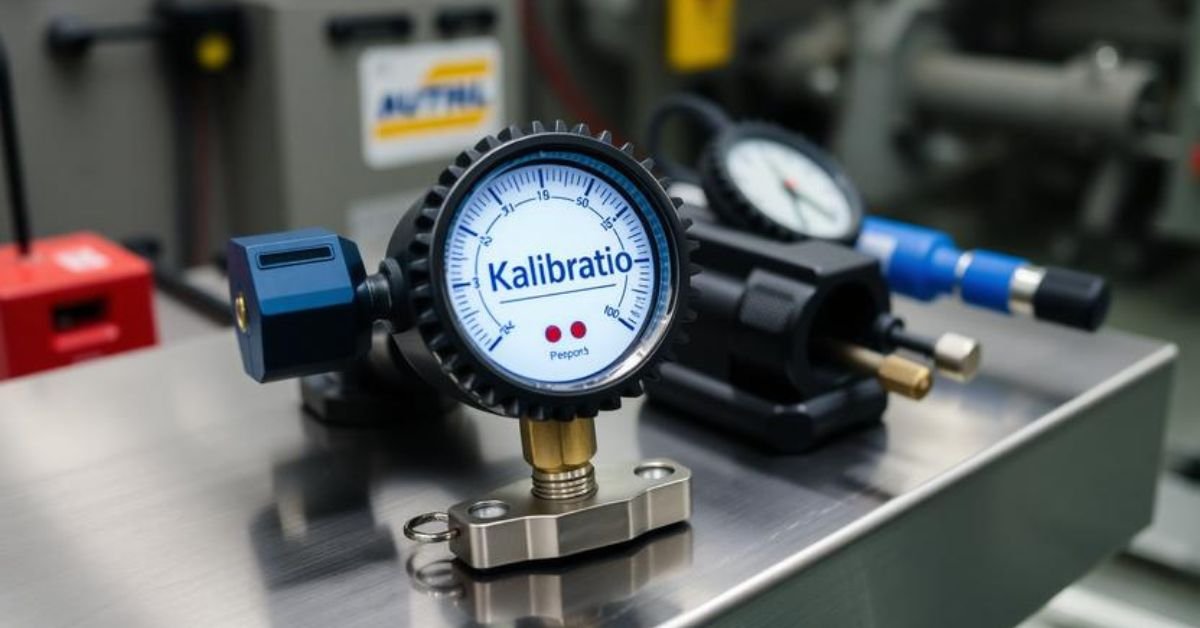
Kalibraatio—the Finnish word for calibration—is one of the most important, yet often overlooked, practices in modern industry. Whether you’re manufacturing car parts, testing blood samples in a lab, or packing food for stores, accurate measurements are critical. And none of it works without calibration.
Let’s explore how this simple process powers everything from airplanes to your kitchen scale.
What Is Kalibraatio?
Kalibraatio is the process of comparing a measurement tool to a known, accurate standard and making adjustments if needed.
Key Steps in Calibration
- Compare your tool to a trusted reference.
- Check for any error or difference (called “deviation”)
- Adjust the tool, if necessary.
- Record the results in a calibration certificate
Example
Imagine a scale says your package weighs 2.1 kg, but the real weight is 2.5 kg—that’s a problem. Calibration checks if tools like that scale are correct and adjusts them if they’re not.
Why Is Kalibraatio Important?
Inaccurate tools can cause serious problems. Imagine:
- A wrong medicine dose in a hospital
- Airplane parts made with imperfect sizes
- Food factories use incorrect amounts of preservatives.
All these mistakes can be dangerous, illegal, or expensive. That’s why calibration is done regularly in key industries.
Calibration helps with
- Product quality
- Safety
- Cost Control
- Legal compliance
- Customer trust
Industries That Rely on Calibration

Many industries use hundreds or even thousands of calibrated tools daily:
| Industry | Examples of Calibrated Tools |
| Manufacturing | Scales, pressure gauges, micrometers |
| Healthcare | Blood analyzers, infusion pumps, thermometers |
| Food & Beverage | Temperature sensors, flow meters |
| Aerospace | Altimeters, torque tools, navigation sensors |
| Research Labs | pH meters, balances, spectrometers |
Tools That Need Calibration
Calibration isn’t just for labs or factories. Even basic tools that you use every day may require calibration.
Common Items That Need Calibration:
- Thermometers
- Weighing scales
- Pressure gauges
- Speedometers
- Electric multimeters
- Flow meters
- Measuring tapes
Who Performs Calibration?
- Internal technicians in a company
- External accredited labs (e.g., by FINAS or according to ISO 17025)
- Automated systems in advanced factories
How Often Should You Calibrate Tools?
Typical Calibration Frequency
| Condition | Calibration Timeline |
| New tool or machine | Before first use |
| Regular usage | Every 6–12 months |
| After damage (drop, heat) | Right after the incident |
| Regulatory Requirement | As per industry standards |
| Critical application | Every 1–3 months |
Tip: Always follow the manufacturer’s recommendation, or test more often if accuracy is critical.
What’s a Calibration Certificate?
After calibration, the technician gives a report or certificate. This proves the tool has been tested and states whether it passed or failed based on predefined limits.
A Successful Kalibraatio Report Includes:
- Tool name and serial number
- Date and person/lab performing the work
- Results and adjustments were made.
- Traceability (what standard/reference was used)
- Uncertainty and acceptance range
This certificate is important for passing audits and inspections and meeting ISO 9001 quality certification.
Benefits of Regular Kalibraatio
Better Quality
Precision tools = precise results = better products.
Fewer Errors
Detecting and fixing problems before they affect production.
Regulatory Compliance
Calibration helps meet industry standards like ISO 9001, ISO 17025, and government regulations.
Lower Costs
Avoid rework, returns, or product recalls caused by faulty measurements.
Trust and Reputation
Customers trust products that come from a quality-controlled environment.
How Technology Is Changing Calibration
Calibration is getting faster and smarter with new tools.
Emerging Trends
- Smart sensors: Tools that self-monitor and alert when calibration is needed
- Internet of Things (IoT): Devices connected to a system that tracks and schedules calibrations automatically
- AI and data analytics: Predict tool failures and optimize schedules based on usage data
- Mobile Calibration: Portable devices that allow calibration on-site
Real-Life Industry Example
Problem: A juice company noticed inconsistent taste and shelf life.
Cause: Inaccurate temperature and flow meter readings during production.
Solution:
- Calibrated all sensors and thermometers
- Implemented a digital schedule for rechecking every three months.
Result:
- Quality improved
- Customer complaints declined by 65%.
- The company passed the food safety inspection with a perfect score.
Common Terms to Know
| Term | Meaning |
| Traceability | Ability to track calibration results back to an official standard |
| Tolerance | The acceptable range of measurement error |
| Drift | When a tool slowly becomes inaccurate over time |
| Uncertainty | The range within which the true value lies, even after calibration |
FAQs
What is kalibraatio?
The Finnish word for “calibration” is “kalibraatio.” It is the process of making sure that measurement tools are correct by checking and changing them.
Why is calibration important in industry?
Calibration prevents errors, improves quality, and meets safety and legal standards.
How often should I calibrate tools?
Most tools should be calibrated every 6–12 months, or more frequently if used heavily or in critical areas.
What tools need calibration?
Thermometers, scales, pressure gauges, rulers, flow meters, and electric testers all need calibration over time.
Conclusion
Kalibraatio keeps tools honest. It makes sure your measurements, and your decisions based on them are accurate, safe, and legal.
Whether you’re making airplanes, baking bread, or building bridges, calibration:
- Ensures safety
- Improves quality
- Reduces risks
- Builds trust
Calibrated tools are more than just checked—they’re trusted.
So calibrate regularly, and calibrate smart.
Visit the rest of the site for more interesting and useful articles.