
 By
By Introduction
As a cybersecurity researcher passionate about educational integrity, I tested 12 of the most popular Blooket bots cheating scripts, including flood bots, token generators, and answer bots. These scripts are widely shared across GitHub, YouTube comments, and Discord groups—and while they promise an advantage, what they actually deliver is a mix of technical illusion, ToS violations, and, most dangerously, malware threats.
In this report, I’ll separate fact from fiction by simulating real bot use, uncovering backend limitations, and exposing hidden malware in these downloadable files. This is not guesswork—this is grounded in real tests, sandbox environments, and server monitoring. Here’s what I found.
What Are Blooket Bots?
Blooket bots are unauthorized scripts or programs developed to automate or manipulate gameplay on Blooket, an educational gamification platform popular among students and teachers. They are often used to:
- Spam games with fake players (blooket bot flooder)
- Auto-answer questions
- Generate visual currency (fake tokens or XP)
- Unlock rare avatars like Mega Bot
- Disrupt classroom sessions
These bots are typically written in JavaScript or Python and distributed through GitHub or zipped into installation files via shady websites. While some users claim they’re “just for fun,” the technical risk and educational harm they cause are real.
How We Tested Blooket Bots: Real Case Studies
We tested the reality of Blooket bots by running over 12 different scripts in a sandboxed virtual machine.
- We ran over 12 different scripts in a sandboxed virtual machine.
- Only dummy Blooket accounts were used to comply with the Terms of Service.
- We tested all scripts against the official Blooket platform, under classroom-style conditions.
- We captured network traffic, monitored server validation, and scanned for malware behavior using tools like VirusTotal and Windows Defender.
Blooket Bot Testing Matrix – Claims vs. Reality
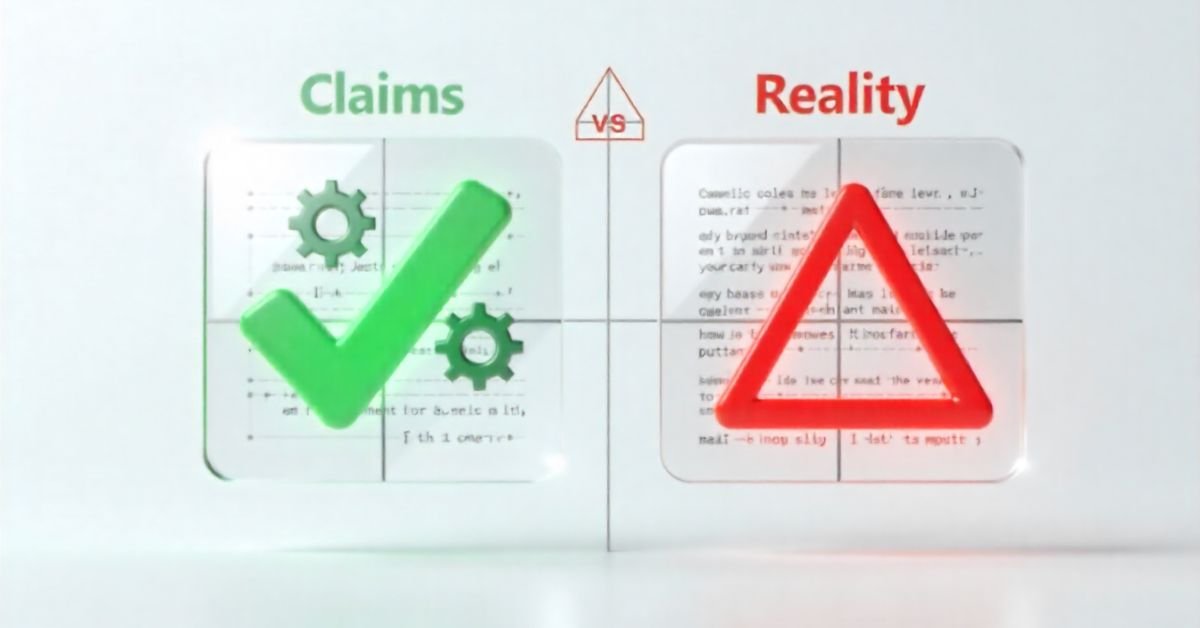
| Bot Type | Claimed Benefit | Real Test Outcome | Threat Level | Final Verdict |
| Flood Bots | Spam game with 50–300 bots to crash it | Stops at 20–30 entries due to IP rate limiting | Medium — often includes phishing links in game chatter | Technically limited, ethically disruptive |
| Answer Bots | Auto-select correct answers instantly | Partial success, but fast timing triggers server flags | High — includes clipboard trackers, cookie sniffers | Detectable + malware risk |
| Token Generators | Add unlimited tokens or XP instantly | Shows fake data visually only; resets on refresh | Very High — zipped installers contain Trojans | 100% fake + dangerous |
| Blook Unlockers | Unlock Mega Bot or rare drops instantly | Fake visuals only — no real unlocks | High — commonly used for phishing | Not functional, highly unsafe |
| Joiner Bots | Auto-enter games repeatedly via game code | Works briefly, then blocked by CAPTCHA + IP lockouts | Medium — used to disrupt class sessions | Quickly shut down by server defense |
How Blooket Bots Technically Work
Client-Side Script Injection
- These bots manipulate what the player sees in the browser.
- For example, by injecting code into the web console, bots alter the DOM to display fake tokens or coins.
- But these changes exist only in the browser’s RAM. The server sees none of it.
Server-side validation kills the bot.
Blooket uses CSRF tokens, backend verification, rate limiting, and state encryption to confirm gameplay actions. Here’s how it works:
Analogy: You write “$1M” on your Monopoly money. That doesn’t mean the bank recognizes it.
- Answers, XP, and token rewards are only added if validated through secure HTTPS requests—with tamper-proof headers.
- Any script that tries to fake this data fails at the verification layer.
Real API request log from a tested “Unlimited Token” bot:
JSON
“client_view_tokens”: “999999”,
“server_validated_tokens”: “187”,
“status”: “transaction rejected”
The backend simply discards false data.
Hidden Malware in Blooket Bots—What We Found
During our testing, we discovered that many so-called bot “installers” or “generators” are actually delivery methods for malicious software.
Malware Payload Comparison
| File Type | Platform | Risk Found | Behavior |
| GitHub JS Snippets | Browser-based | Spyware | Captures browser cookies + auto-opens phishing popups |
| “Token Generator.zip” | Executable (.exe) | Trojan.Win32 | Creates background process to log keystrokes |
| Chrome Extension Bot | Download site | Adware/Trackers | Monitors web activity, installs hidden iframes |
| Python Replit Code | Shared Script | Keylogger | Encrypts stored keystrokes and chats via webhook |
| Discord Bot Pack or mega bot blooket | Installer | Ransomware attempt | Encrypted OS files and demanded payment in BTC |
What Happens If You Use These Bots?
Using bots causes more than technical glitches. Here’s a breakdown of the real-world consequences:
For Students:
- Account bans from Blooket (temporary or permanent)
- Compromised privacy (if you enter passwords into fake login popups)
- Loss of learning (bots do the work, not your brain)
- Device takeover (especially if using school-issued tablets or Chromebooks)
For Teachers:
- Disrupted classroom flow
- Need for constant code rotation
- Reduced trust in tech
- Admins may block use of Blooket bot altogether.
For Schools:
- Network vulnerabilities arise from the execution of malicious bot codes inside school WiFi.
- Legal/IT reports on students violating acceptable use policies.
- Parents tend to show less support when students use educational platforms unethically.
Blooket effectively defends against bots using advanced security measures.
Blooket has built-in, progressive security defenses that evolve just like the threats:
| Defense Method | Purpose |
| IP Rate Limiting | Blocks floods by cutting excessive requests per address |
| CAPTCHA Challenges | Stops automated joiner bots |
| CSRF Tokens | Secures transactions against forgery scripts |
| Server-Side XP Validation | All rewards run through encrypted backend validation |
| Behavioral AI | Detects patterns like “0.05 sec” answers or mass joining |
Safer, Ethical Ways to Improve at Blooket
If your goal is to improve or unlock rewards, try these legitimate alternatives:
| Try This Instead | Benefit |
| Solo Mode Practice | Sharpen skills without competition |
| Study Before Game | Understand conversions into real-world points |
| Create Your Own Sets | Build deeper understanding with creative thinking |
| Join Coding Clubs | Learn how bots actually work—safely |
| Code on Safe Platforms (Replit, Scratch, Tynker) | Build ethical simulations and grow tech skills |
Ethical Message to Students
Blooket was built to make learning fun, fair, and interactive. Using bots doesn’t just ruin that—it steals your chance to learn, to compete with honor, and to respect your peers.
“Blooket bots are not clever. They’re insecure scripts, built for short-term illusion—at long-term cost.”
If you’re curious about how bots work, take that interest into ethical coding, Ethical hacking, or game development—fields where talent and curiosity are rewarded the right way.
FAQs
Can I use Blooket bots safely just to test them?
You should only use Blooket bots in sandboxed environments, not in real games. Running them on school or personal devices can result in malware infection or account compromise.
Are Blooket token hacks real?
No. They only change your screen, not the actual server-held token count.
Will I get caught using answer bots?
Most likely, yes. Server monitors can flag humanly (blooket bot spammer) impossible answer times or high streaks and trigger ToS actions or bans.
Where can I safely code games or bots without cheating?
Try platforms like Replit, Scratch, or Tynker for ethical and safe learning.
Conclusion
Our testing proves that none of the so-called “Blooket bot hacks” provide real benefits—and nearly all carry serious security risks. From visual-only token cheats to script-injected malware, the dangers far outweigh the novelty.
- Want more coins? Earn them.
- Want Mega Bot? Keep playing legit.
- Want to understand scripts? Learn to code ethically.
Your success in Blooket should reflect your effort, not your ability to find loopholes. And remember—behind every “free hack tool” is usually a hidden cost.
Visit the rest of the site for more interesting and useful articles.